Please Stop Criticizing AI-Generated Sacred Images: A Call to Honor the Blessed Mother –
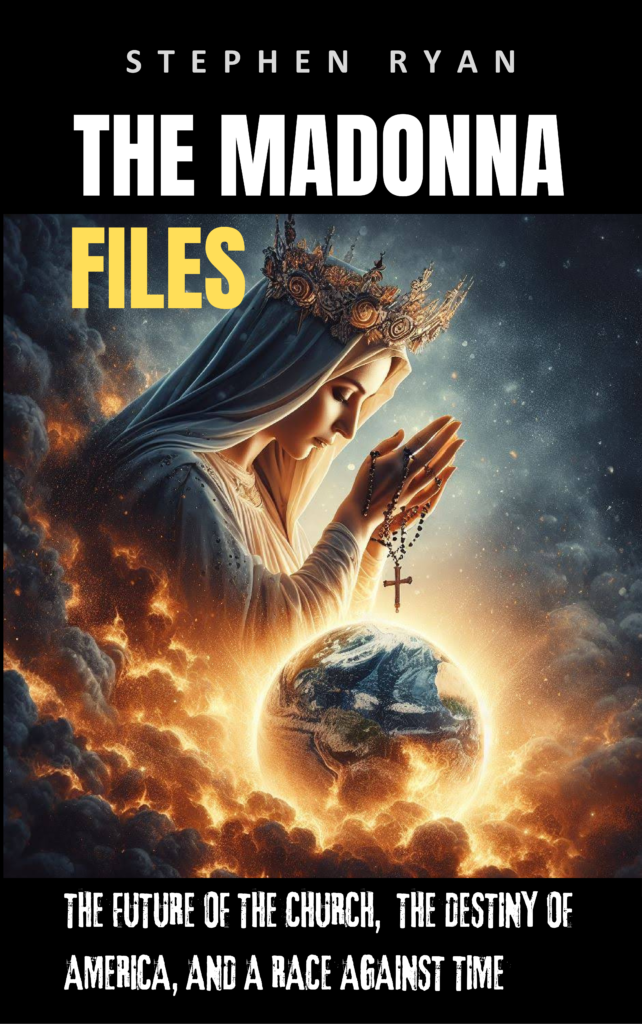
In our modern world, where technology weaves into every facet of life, including our faith, a beautiful new form of devotion has emerged: AI-generated sacred art. For Catholics who cherish the Blessed Mother, creating images of the Virgin Mary through artificial intelligence is not a break from tradition but a heartfelt continuation of it. This article urges the Catholic faithful to cease criticizing AI-generated images of Our Lady, particularly when crafted with love and devotion. These images, born from the same spirit of prayer that inspired Renaissance masterpieces, deserve respect as authentic expressions of Marian devotion, guiding us “To Christ through Mary,” as St. John Paul II so eloquently taught.
A Historical Echo: From Renaissance Patrons to AI Prompts
To appreciate AI-generated sacred art, we must look to the Renaissance, a time when Catholic art flourished. From the 14th to 17th centuries, the Church and devout patrons commissioned artists like Raphael and Michelangelo to create images of the Blessed Mother that stirred the soul. These works were not random; patrons provided specific “prompts,” dictating Mary’s pose, symbols (like roses for her purity or a halo for her sanctity), and the devotional mood. For example, Raphael’s Sistine Madonna (1512), commissioned by Pope Julius II, was carefully shaped to reflect theological truths, while Leonardo da Vinci’s Virgin of the Rocks (1483–1486) followed the Confraternity of the Immaculate Conception’s vision of Mary as intercessor.

Today, a Catholic with deep devotion to the Blessed Mother uses AI tools in much the same way. By entering prompts like “Our Lady of Fatima, glowing with maternal love, surrounded by doves and light, in a serene Renaissance style,” they guide the AI to create an image that inspires prayer. The AI is merely a tool, like a painter’s brush, but the heart of the creation lies in the devotee’s faith. Just as Renaissance patrons directed artists to glorify Mary, today’s faithful use AI to honor her, echoing St. John Paul II’s call in Rosarium Virginis Mariae (2002) to draw closer to Christ through Mary. To criticize these images is to overlook the prayerful intent behind them, which mirrors the sanctity of commissioned sacred art.

The Heart of Devotion: Intent, Not Medium
The holiness of a sacred image lies not in how it’s made but in why it’s made. The Catechism of the Catholic Church (CCC 2132) teaches that sacred images are venerated for what they represent, not as objects in themselves. A Renaissance painting is sacred because it fosters devotion, not because it’s painted by hand. Similarly, an AI-generated image of the Blessed Mother, created by a Catholic with love and fidelity to Church teaching, serves the same purpose. Critics who claim AI lacks a “human soul” miss the point: the soul of the artwork is in the prompter’s devotion. Refining an AI prompt to capture Mary’s compassion or humility is a prayerful act, akin to a patron guiding an artist or a believer meditating on the Rosary.
The Church has always embraced new technologies for evangelization. From the printing press spreading devotional images to photography documenting shrines, each innovation has served faith. Pope Francis, in Evangelii Gaudium (2013), encourages using technology to build deeper connections and share the Gospel. AI art aligns with this mission, creating images of Our Lady that resonate across cultures and generations. To criticize these efforts is to reject a powerful tool for spreading devotion to the Blessed Mother.
Why AI Art of Mary Deserves Respect
AI-generated sacred images offer unique blessings that enhance their role in the Church today. Rather than condemning them, Catholics should celebrate their potential:
- Accessibility for All: Unlike costly Renaissance commissions, AI tools are available to anyone with a device, allowing Catholics worldwide—rich or poor, artist or not—to create and share images of Mary. This democratizes devotion, reflecting her universal motherhood.
- Fresh Expressions of Faith: AI enables creative blends of traditional iconography with modern contexts, like depicting Mary comforting the marginalized in today’s cities. This keeps her intercession relevant, especially for younger Catholics.
- Prayerful Creation: Crafting an AI image involves discernment, as users refine prompts to honor Mary’s virtues. This process can deepen the creator’s spirituality, making it a meditative act.
- Global Evangelization: Shared online, an AI image of Our Lady can inspire millions, much like Renaissance art in cathedrals once reached the masses. Its digital reach amplifies “To Christ through Mary” worldwide.
- Faithful Integrity: When guided by devout Catholics, AI art upholds doctrines like the Immaculate Conception, countering secular distortions and reclaiming technology for sacred use.
Criticizing these images risks stifling a vibrant expression of faith that brings Mary’s love to new audiences.
A Plea to the Faithful: Embrace, Don’t Condemn
AI-generated images of the Blessed Mother, crafted with love and devotion, are as spiritually valid as any Renaissance masterpiece. Both stem from a faithful heart seeking to honor Mary as the path to her Son. To criticize them is to misunderstand their purpose and dismiss the sincerity of their creators. As we live in a digital age, let us embrace AI as a gift—a new brush for painting devotion. The love for Our Lady, not the tool, sanctifies the image. Let us stop judging these sacred creations and instead celebrate them as modern icons, leading us ever closer to Christ through Mary.